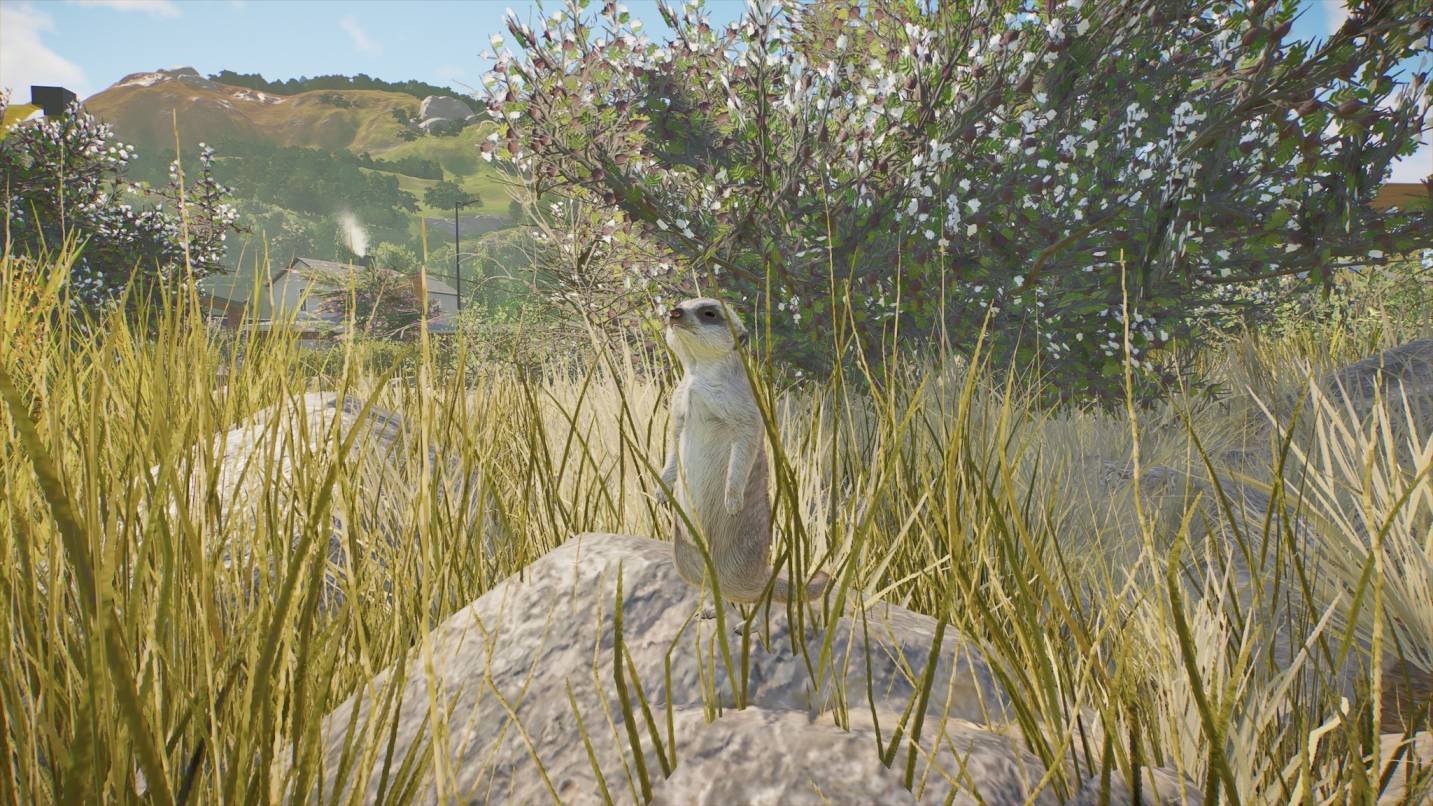

Building a thriving zoo from the ground up in Planet Zoo 2 Chapter 4 tests your skills in habitat design, guest management, and animal welfare. This chapter digs deeper into what keeps your creatures happy and your visitors coming back, making every enclosure and facility choice count. It’s the stage where all your basic knowledge meets real zoo management challenges, especially with getting diverse species to coexist while maintaining a profitable, engaging environment.
To learn more about the game, check out the Steam page.
Table of contents
- Maluku Islands – Bronze
- Channel Islands – Bronze
- Singapore – Bronze
Maluku Islands – Bronze
For the Maluku Islands scenario, your goal is to fill the aquarium with at least six aquatic animals and six shoal species. The existing aquarium habitat offers species like Golden Trevally, Bluespine Unicornfish, Threespot Damselfish, and Indian Ocean Oriental Sweetlips which are ideal shoals to adopt.
Adding a Javanese Cownose Ray gives you a solid aquatic animal to work with. Make sure to raise the welfare of your animals to a full 100 percent. Advancing research on the Hawksbill Turtle to level four unlocks important benefits. As you expand your species collection, your profit and guest goals begin to hit themselves automatically, so focus on animal care and environmental improvements.
Adding more Cownose Rays helps improve their social welfare – they really thrive in groups. Plants matter too; make sure the aquarium is rich with native vegetation. For many fish, enrichment items or subtle terrain adjustments can mean the difference between stressed and content animals. Sometimes species just don’t gel well together, so don’t hesitate to sell one if compatibility issues pop up.
When you introduce an Ocean Sunfish, keeping it happy means removing any predators like sharks from the aquarium to avoid stress. Adjusting the environment to fit your animals' needs will create a smoother experience for both your animals and zoo guests.
Channel Islands – Bronze
The Channel Islands start empty, giving you a blank slate to build a functional zoo. Start by constructing core structures: a trade center to import animals, a keeper hut for your staff, and a dependable power source. Don't forget quarantine, staff room, vet surgery, and a research center to ensure animal health and scientific progress.
Connecting these buildings with paths and slightly flattening terrain will streamline access and future expansion. Since your staff needs to be hired, get your workforce assembled early to avoid service delays that upset animals and guests alike.
The basic animal diversity mandate requires one species each for avian, aquatic, and terrestrial habitats. Aquatic species go in aquariums, which you can fence off with a staff gate. If you need barrier building guidance, refer back to earlier walkthrough steps.
Budget constraints early on mean your best bet is choosing animals that combine appeal and cost-effectiveness. The Binturong is a great terrestrial choice. Make sure to set up four terrestrial exhibits as well to diversify the guest experience.
Recommended aquatic animal is the Ocellated Eagle Ray, and for your avian enclosure, Secretarybird fits well. These species bring unique flair without breaking your budget.
Guest happiness impacts your success greatly, so provide the basics: food stands, drink fountains, and restrooms. Benches and sheltered rest areas boost comfort, while educational facilities enrich the experience, helping visitors connect with your animals on a deeper level.
To secure a four-star inspection rating, focus on improving your zoo’s overall reputation by increasing guest satisfaction and animal welfare. Careful enclosure designs and attentive animal management make this achievable.
Singapore – Bronze
Start by clearing out all plastic and metal debris from the area. Build essential facilities before moving on to animal care. Your next challenge is to house three species together in one habitat—herbivores like Nyala, Plains Zebra, and Mountain Hare are ideal candidates for communal living.
Adjust habitats specifically: short grass for the Nyala, terrain leveling to reduce waterlogging for zebras, and additional plants for the hare. Enrichment and shelter placements for each species are key to boosting welfare.
For the Great Hornbill, an aviary enclosure with a proper shelter is necessary. Boost social welfare by introducing a second hornbill. Use compacted soil to manage water levels and tweak other terrain aspects carefully. Provide water and enrichment items to keep them thriving, though reaching bronze objectives will take continued focus.
Attract more guests by including appealing species. Bringing a Komodo Dragon into your zoo ups the ante. Create a habitat with a swimming area and shelter designed specifically for its needs. Work toward 100 percent welfare by tackling every issue that arises, making this impressive reptile flourish.
Unlock thriving requirements through research, then refine habitats with native plants and soil. Increase appeal with larger windows and marketing campaigns, and deepen swimming areas to satisfy the Komodo Dragon’s aquatic needs.
Don’t overlook food quality upgrades—use the management tab to raise food to grade 2 stars, which significantly boosts animal health and happiness.
Chapter 4 guides you through the challenges of managing diverse species and complex facilities in Planet Zoo 2. Keeping animals happy while expanding your zoo's scope offers a rewarding experience, with success depending on attention to detail and strategic planning.